Hiking to Isar Castle & The Cross in Štip (or Shtip)
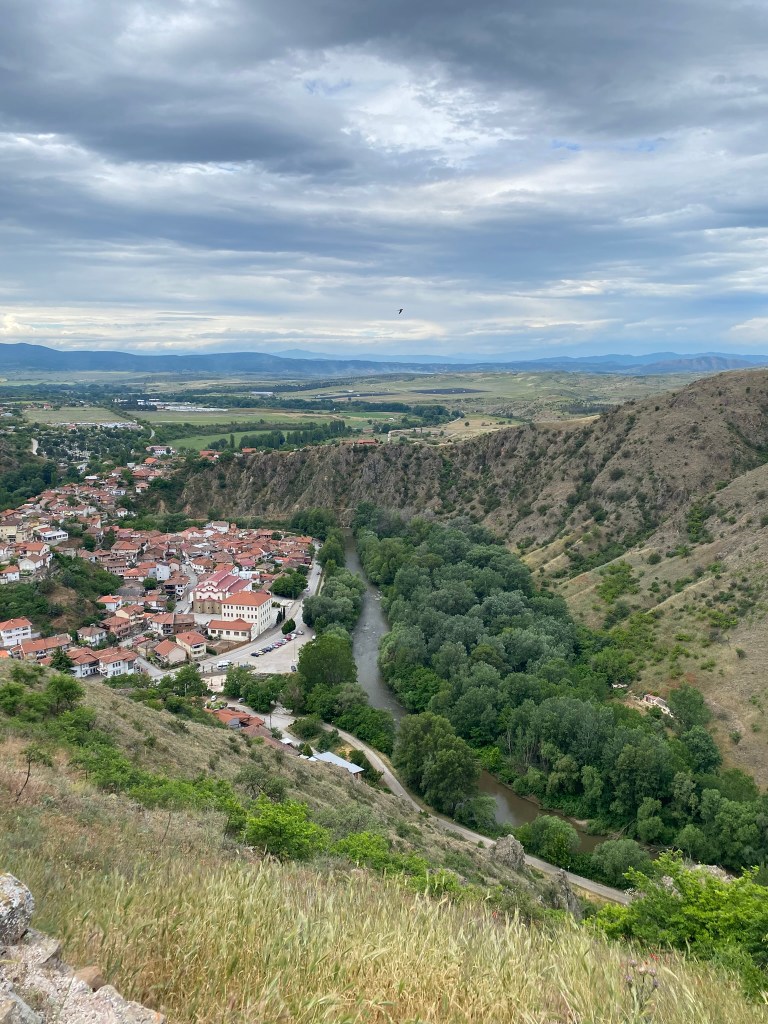
If you find yourself in Shtip, the best way to get your bearings is to head up Isar Hill (Tvrđava Isar). Rising roughly 150 meters above where the rivers Otinja and Bregalnica join, the steep rock overlooks the entire city and is topped by both a massive, illuminated cross and medieval fortress ruins.
A Quick History
- Medieval Fortress: The stone ruins you see today date back primarily to the 13th and 14th centuries, built during the Byzantine and early Serbian periods. The fortress featured outer defense walls, inner residential areas, and underground tunnels leading down to the river for water supply during sieges.
- Ottoman Era: After falling under Ottoman rule in the late 14th century, the castle gradually lost its military significance, but the name Isar (derived from the Turkish word for fortress/castle) stuck.
The Walk Up
The hike up is short but relatively steep and is quite a hike it takes about 20 to 30 minutes from the town centre depending on your pace and the weather. We were there in in May so it was a pleasant temperature to hike up there.
The Trail: A paved path and stairs lead up from the base of the hill near the old town quarter. As you head up the eastern slope and before you get to the cross you come to two historical features.
Firstly WWII Veterans Monument (Spomenik): A concrete, Yugoslav-era modernist monument built in 1974. It honors the local partisans and soldiers from Shtip who lost their lives fighting against Axis occupation forces during World War II.
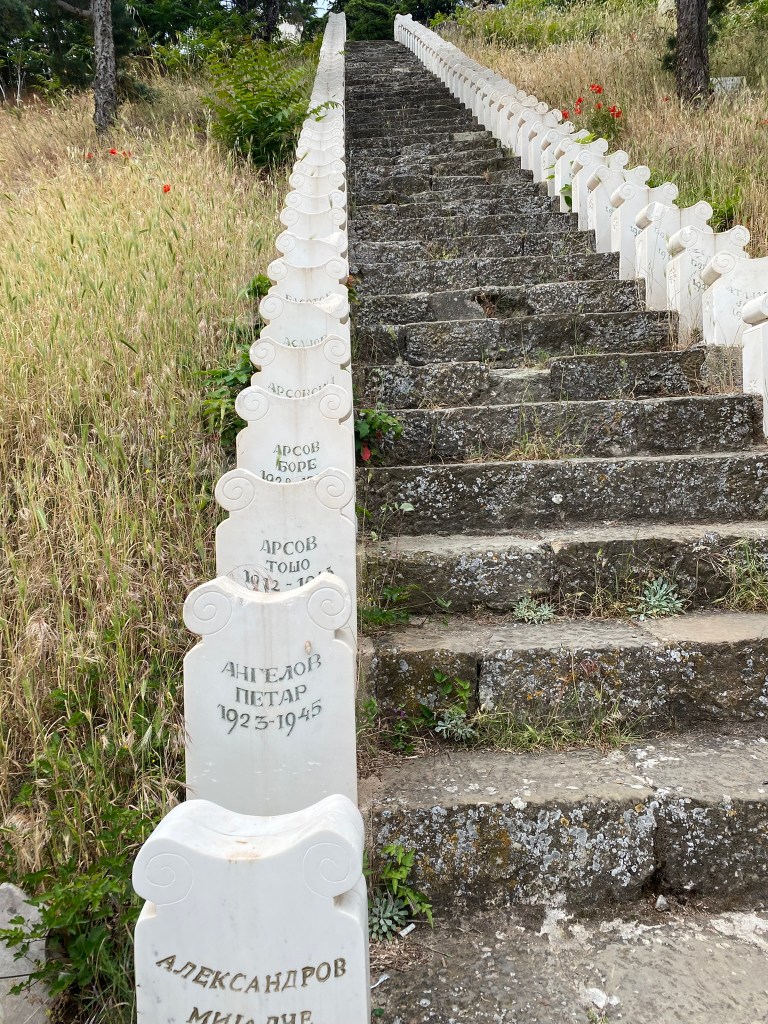
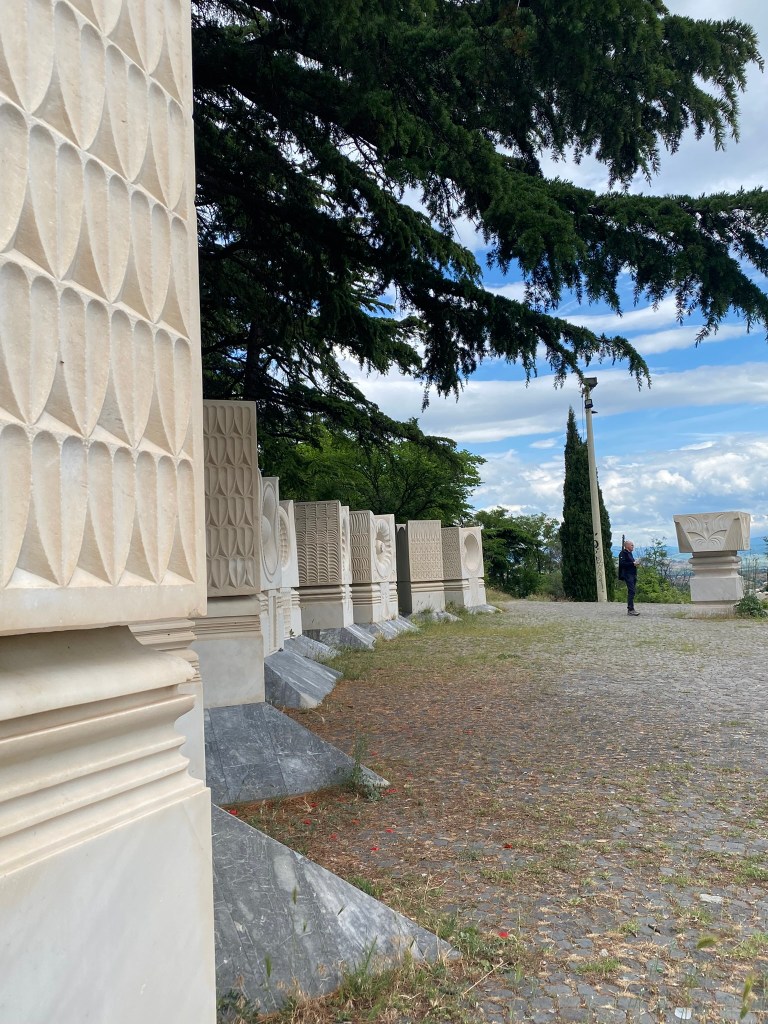
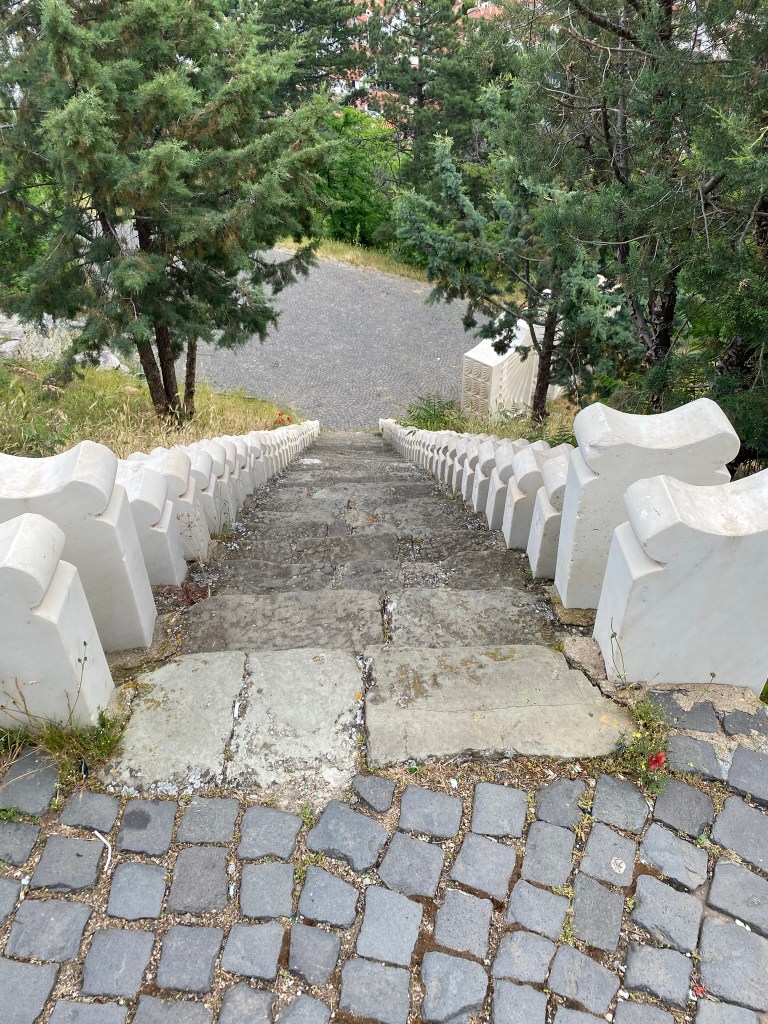
A staircase lined with the names of fallen soldiers leads the way up towards the Church of St. Archangel Michael: A 14th-century medieval Byzantine chapel built by a local nobleman during the Serbian Kingdom’s rule. It was originally one of four spiritual “shield” churches around the hill, but it was later converted into a mosque during the Ottoman period, which stripped away most of its original frescoes, it is now boarded up and its not possible to go inside even though it looks in remarkably good shape considering its age.
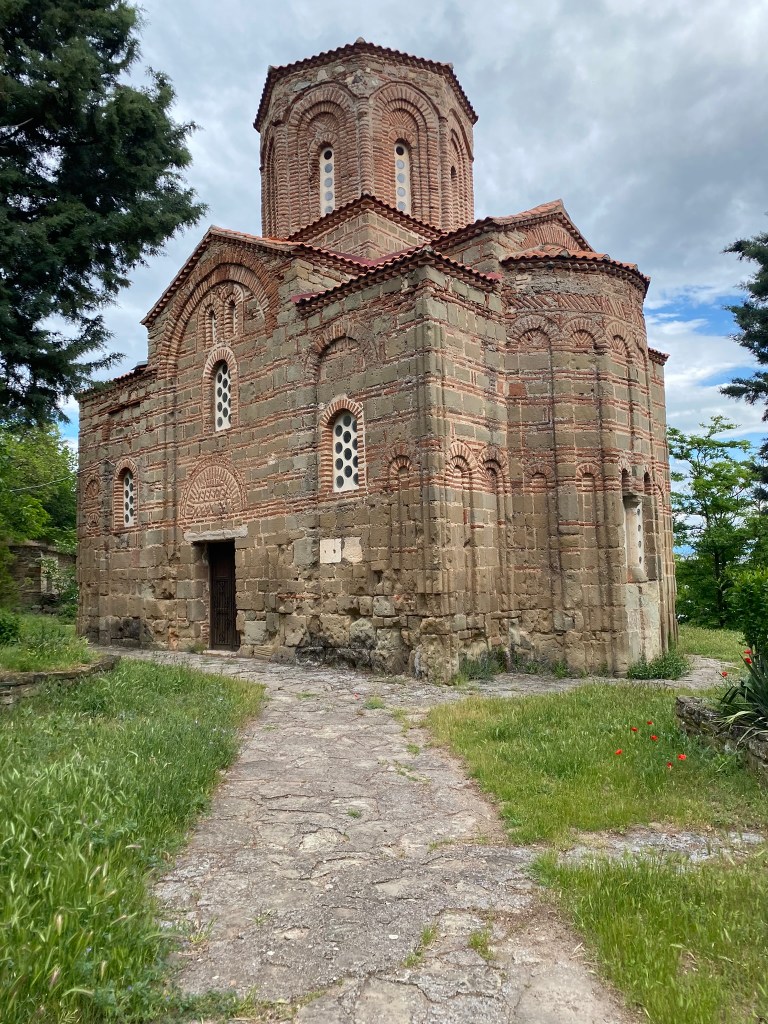
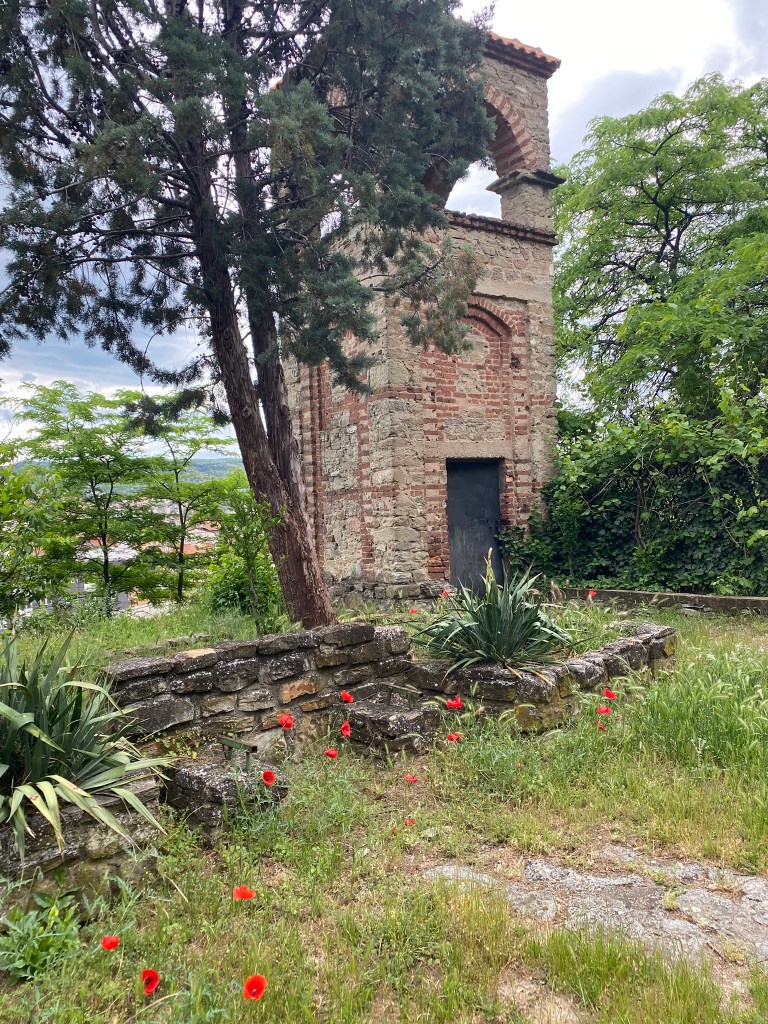
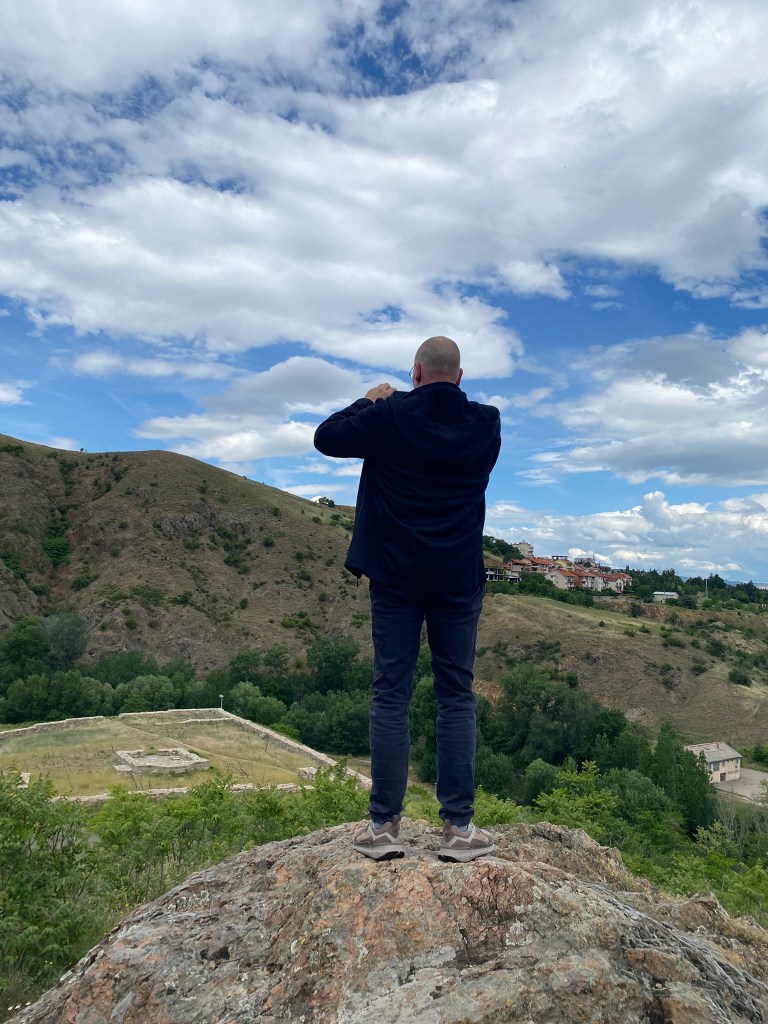
Walking past this church you head up even higher towards the Ruins: As you approach the top, you’ll walk right through the remnants of the ancient stone gates and perimeter walls. As with all monuments and ruins in North Macedonia it is not maintained and there are no safety measures which means its great for clambering over and finding the best spots for a photo!
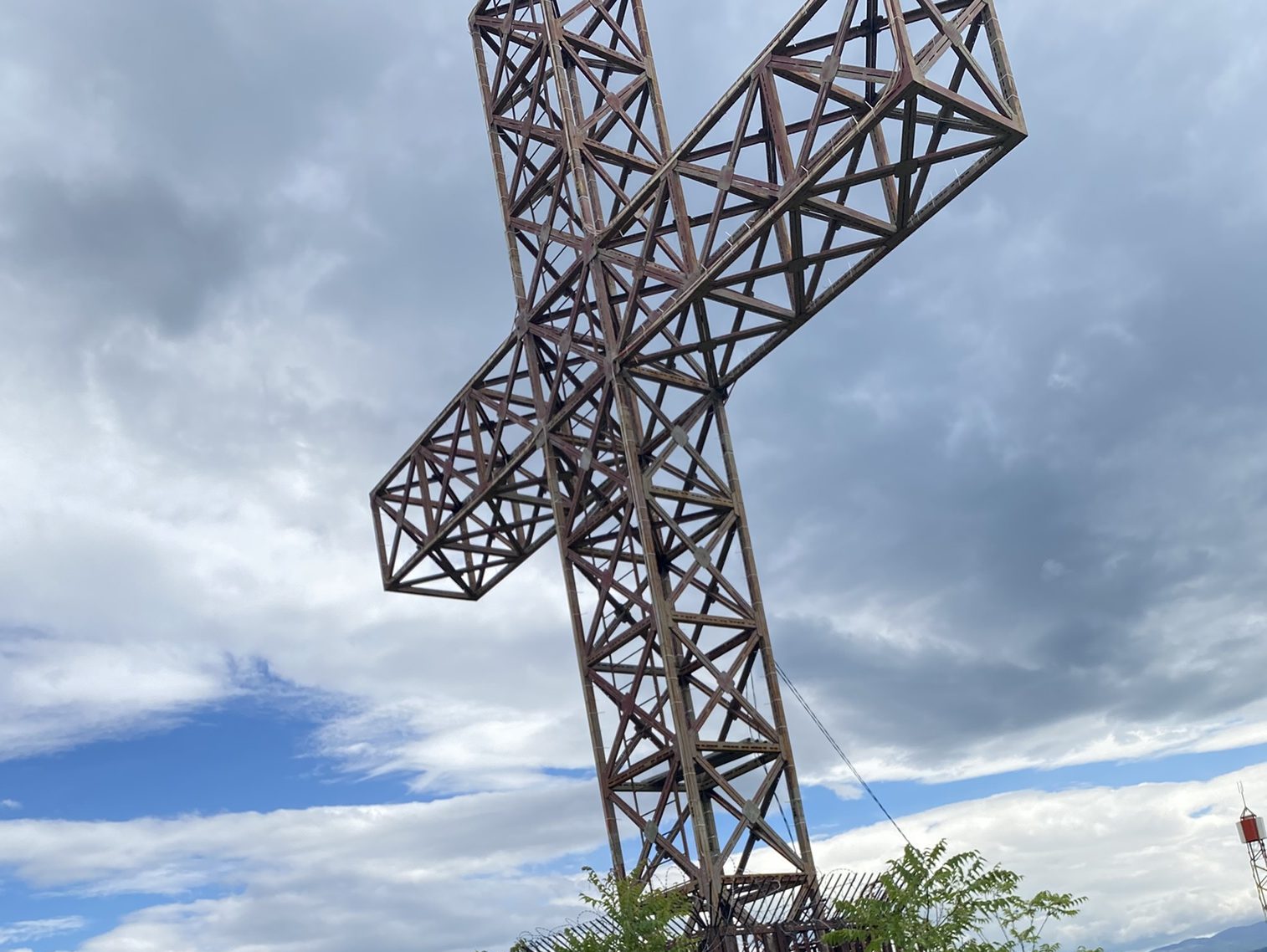
The Summit: At the top stands the large metal cross, erected in modern times as a religious symbol and landmark visible from almost everywhere in Shtip.
Why It’s Worth It
Beyond the history, the summit offers an unbeatable 360-degree view of Shtip, the surrounding plains, and the river valley. It’s an ideal spot for a quick morning climb or late afternoon sunset walk, make sure you are down before dark as its not lit so quite difficult to see in the dark I imagine.
We walked back down the other side, where there are more ruins to a nice footpath which took us along the river back into town making it a good round trip.

