Oleanders & Icons
I’ve written a few blog posts about our garden and our ongoing search for plants and flowers that can handle this climate — and that are happy being watered three times a day by our sprinkler system, which is thankfully working again.
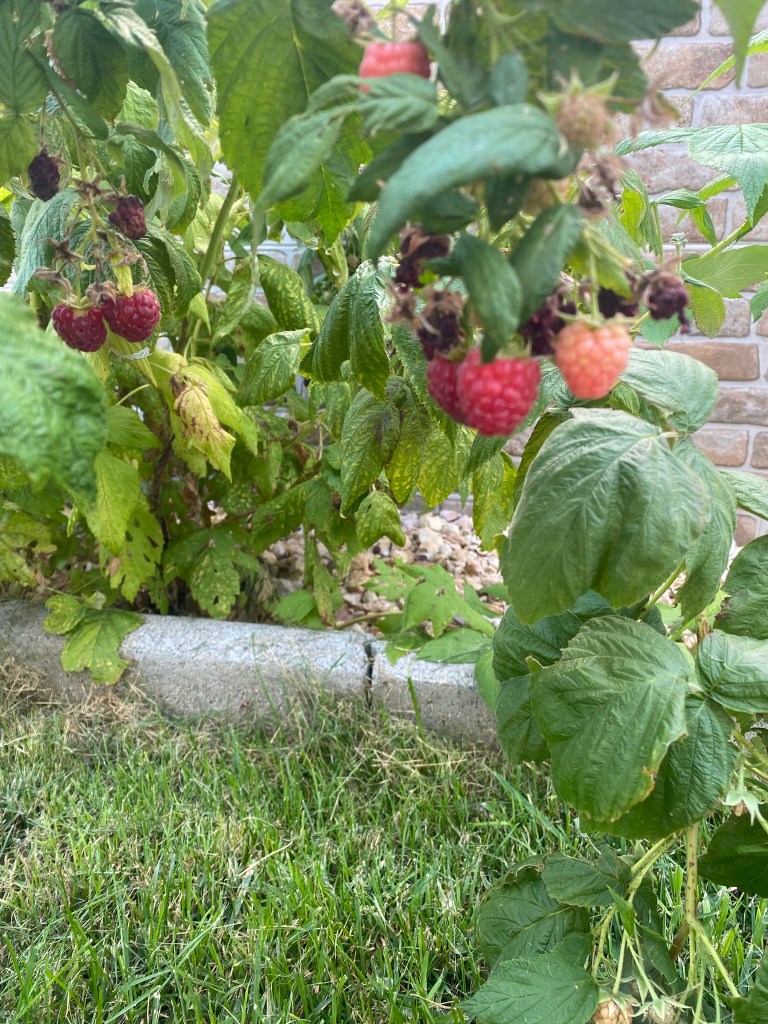
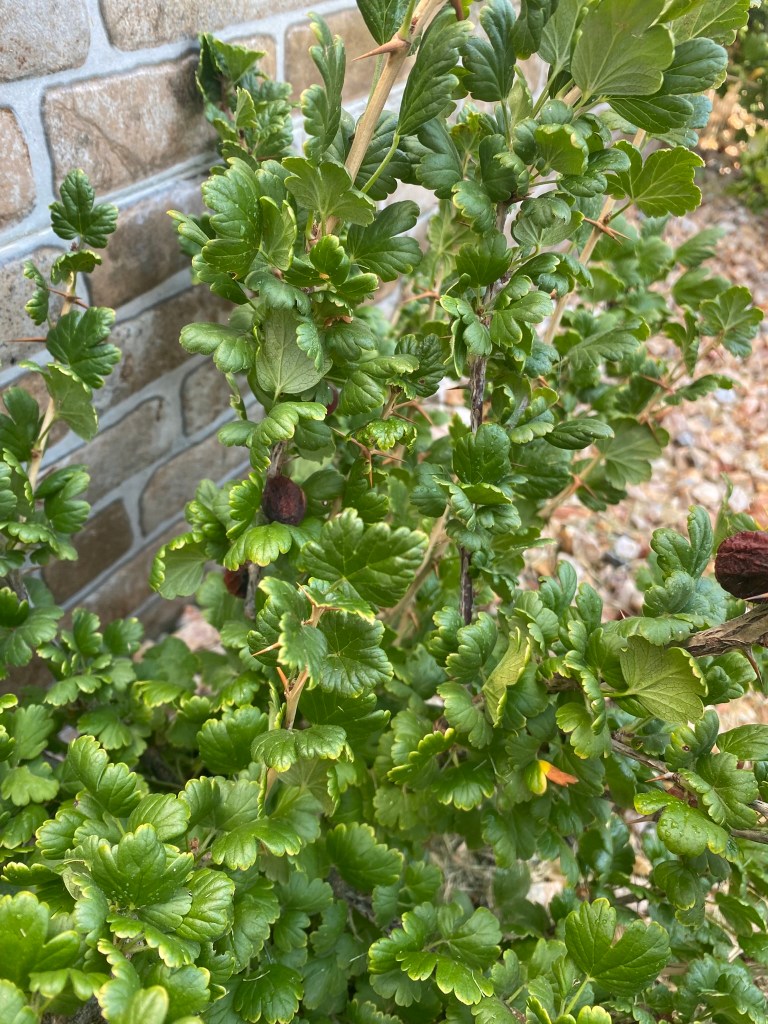
Lately, we’ve been enjoying a lot of fruit from the garden: blackberries, gooseberries, and raspberries. The gooseberries were especially good, but during a spell of extreme heat — over 40°C — the berries literally shrivelled up and died. They haven’t recovered yet to produce more.
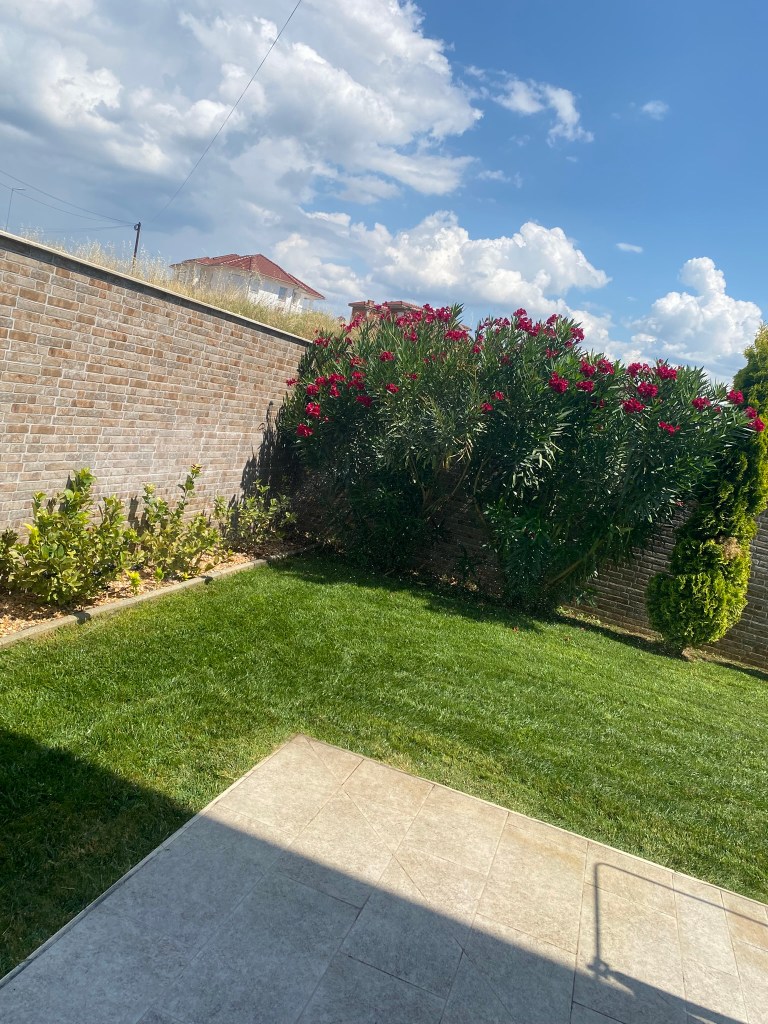
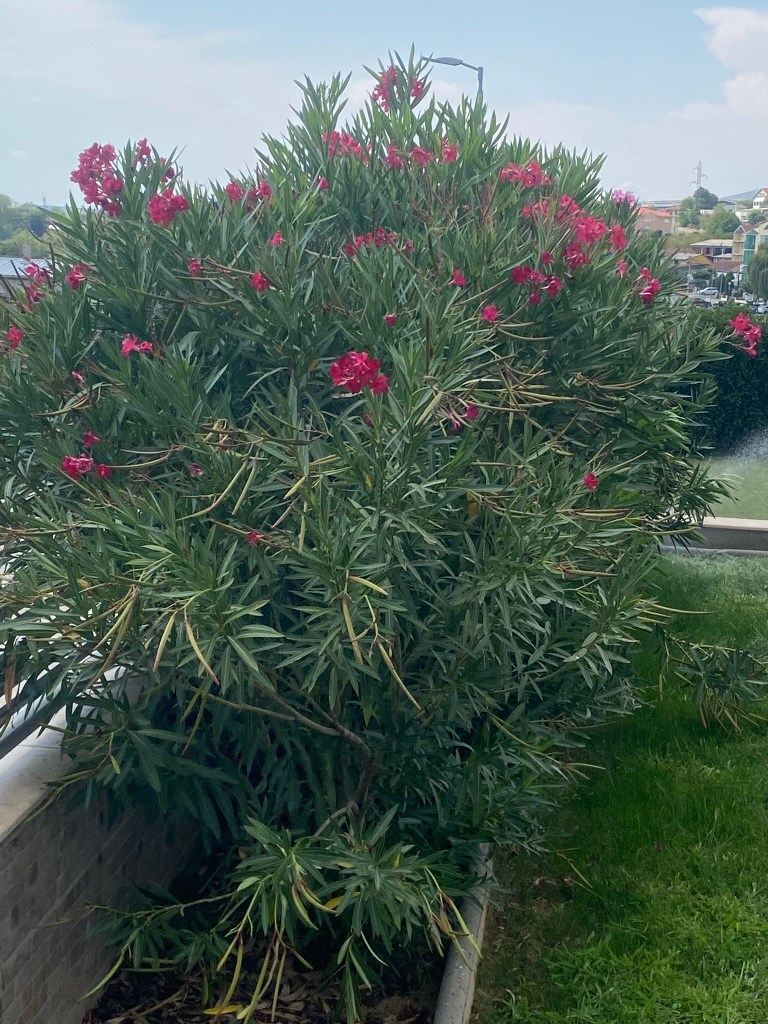
Without a doubt, though, the biggest joy in the garden has been our oleanders. They are truly magnificent. We love them, and so does everyone who passes by. In fact, we love them so much that we decided to plant even more. So, off we went to our favourite garden center in Strumica to load up the car with new oleanders.

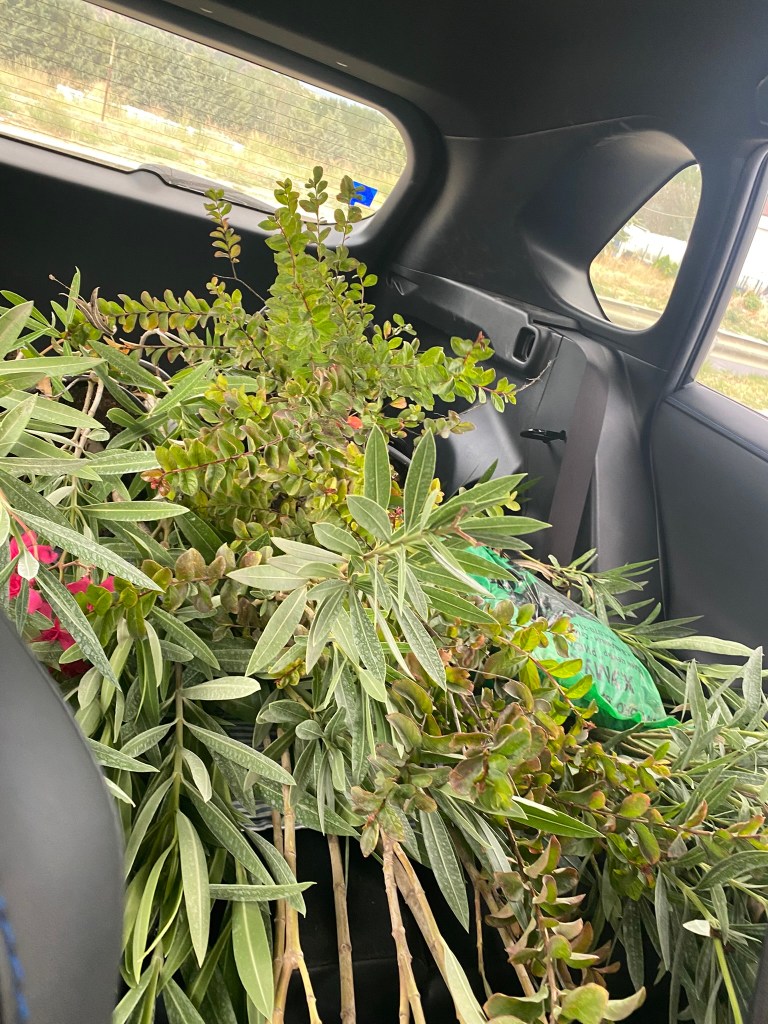
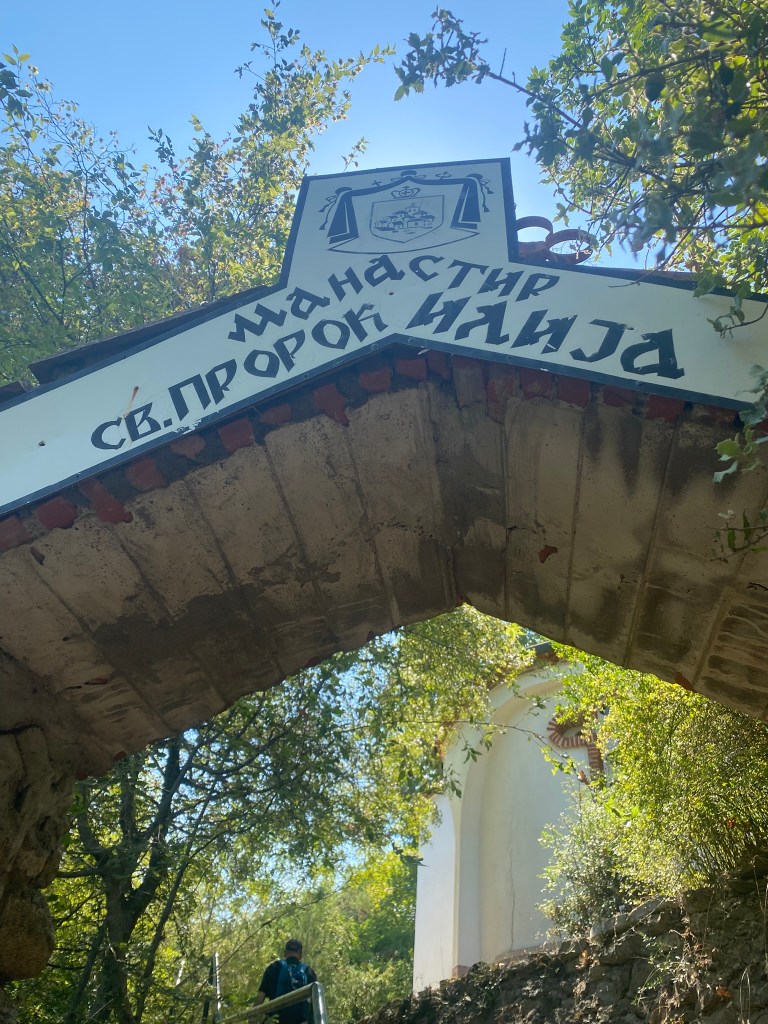
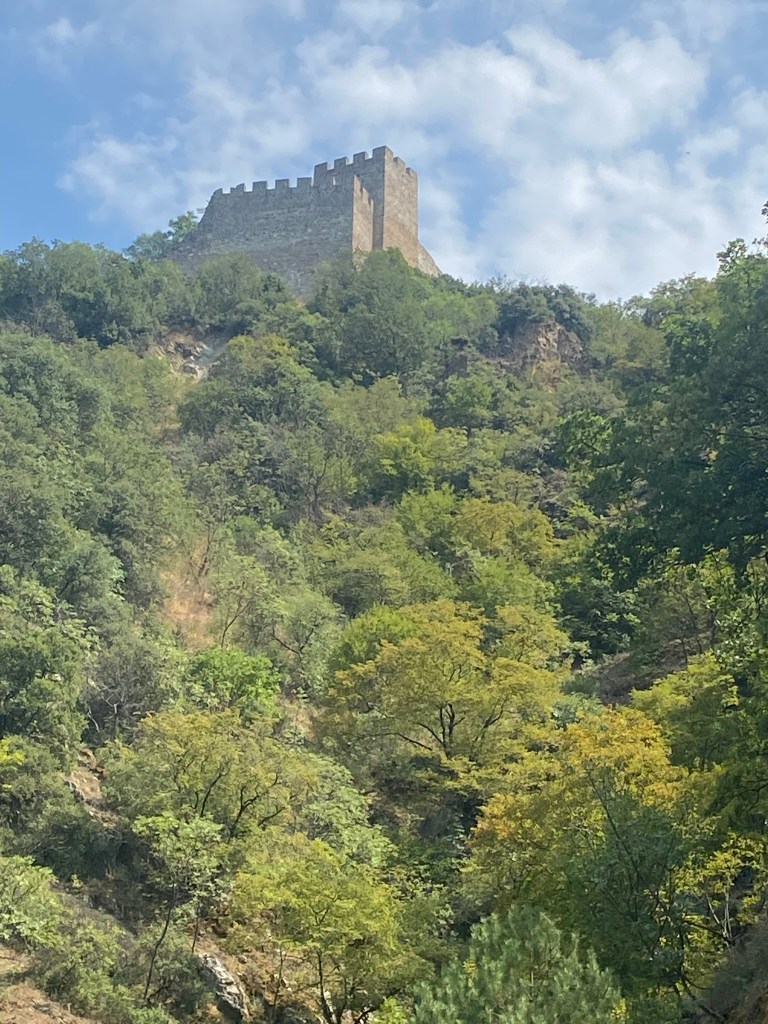
The weather was beautiful, around 26–27°C, so we decided to explore a bit more. We had heard about the St. Elijah Monastery on the same mountain as the fortress, so we drove up to see it.
If you go, set your navigation to Neretva Street, Strumica. Don’t be put off by the narrow, winding roads, or the little Orthodox church tucked between houses. Soon, you’ll reach a small car park that looks like the entrance to a private house but is actually gated off. Park there and follow the path up the mountain to the right.
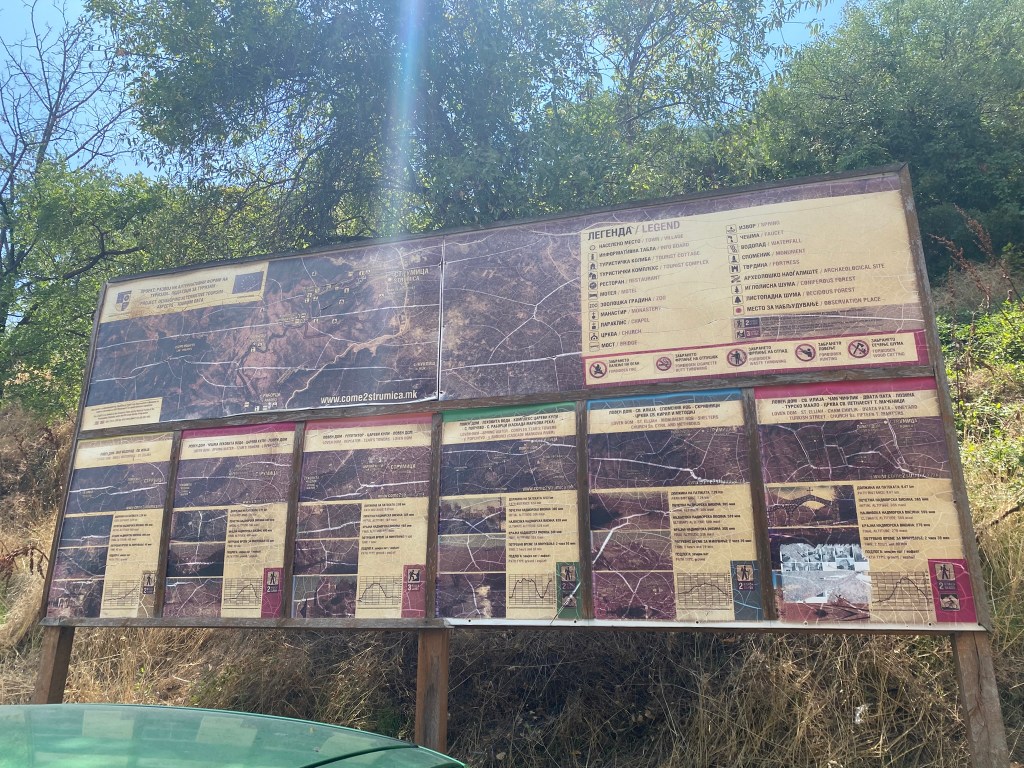
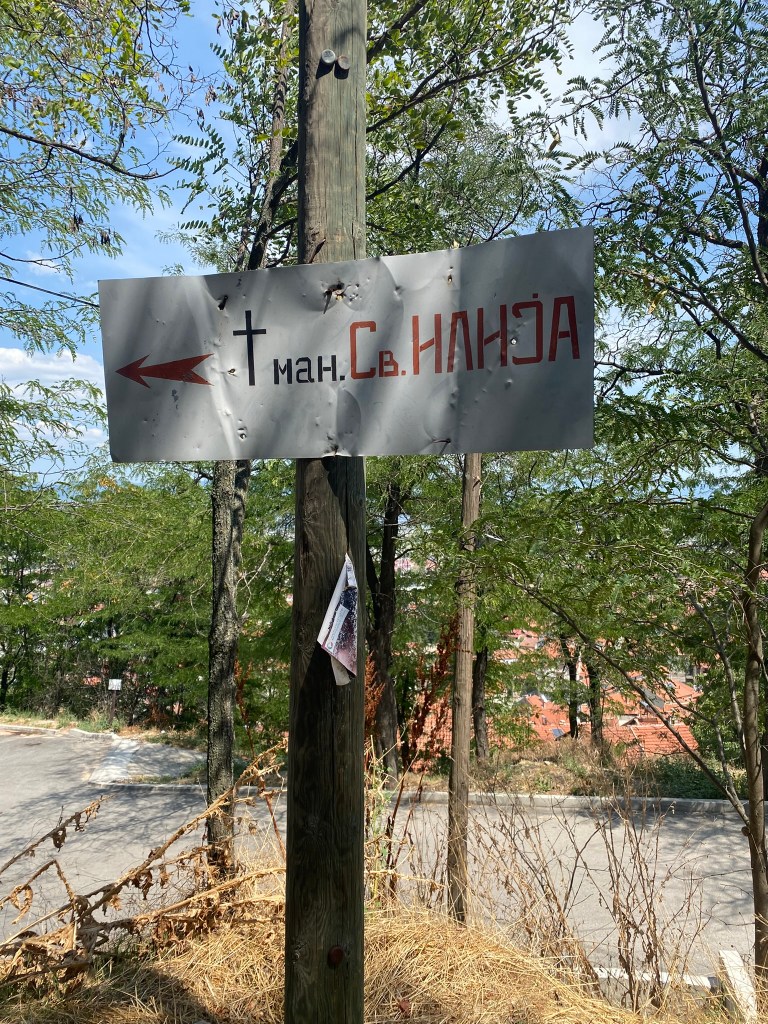
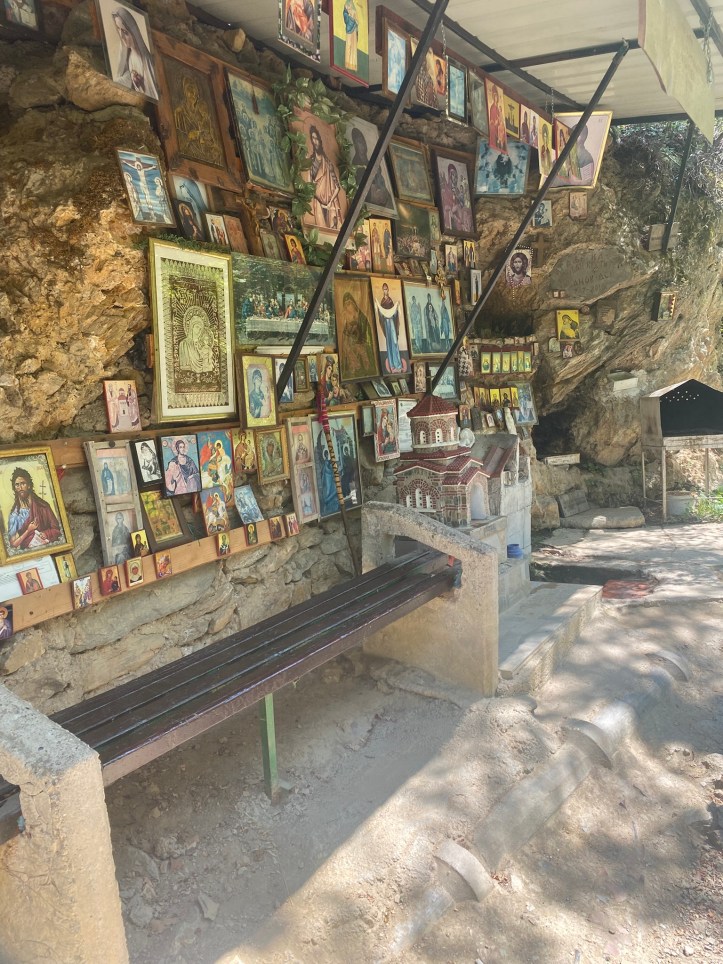
You’ll soon see a sign for St. Elijah Church. A few meters further, another sign marks the start of a 500m alpine walking area. Along this trail, you’ll find stations with signs suggesting simple exercises to do while hiking. It’s quite fun, though the walk itself is already great exercise. After about 1km, you’ll come to a shrine to St. Elijah, with icons and saint images covering the wall.
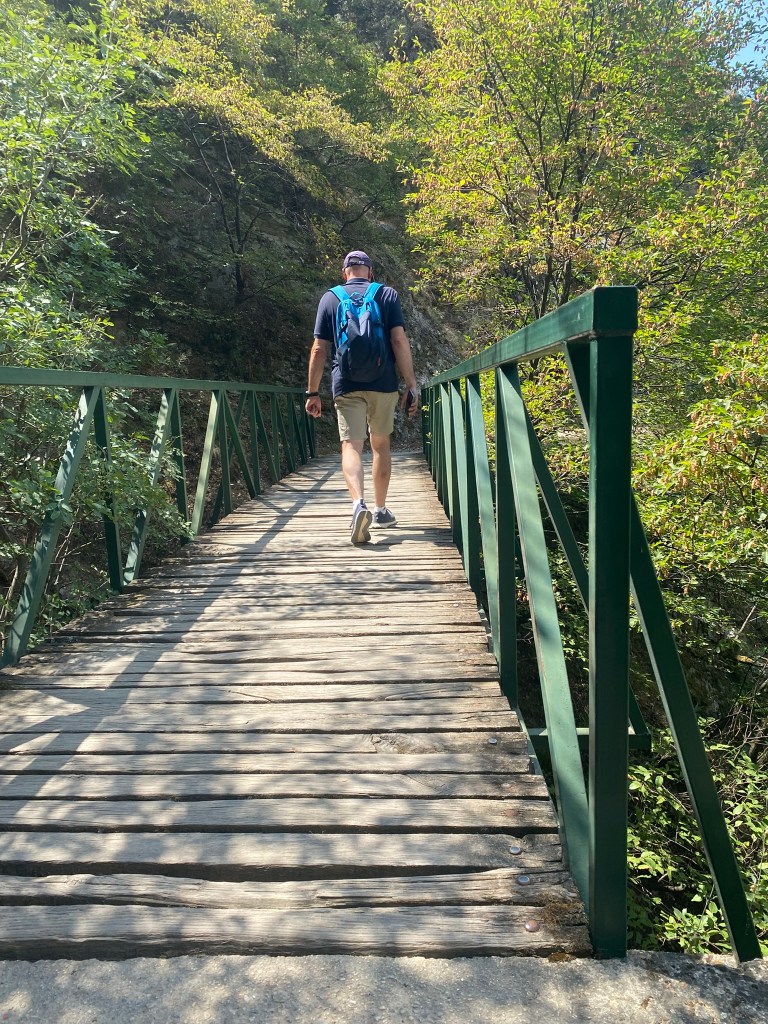
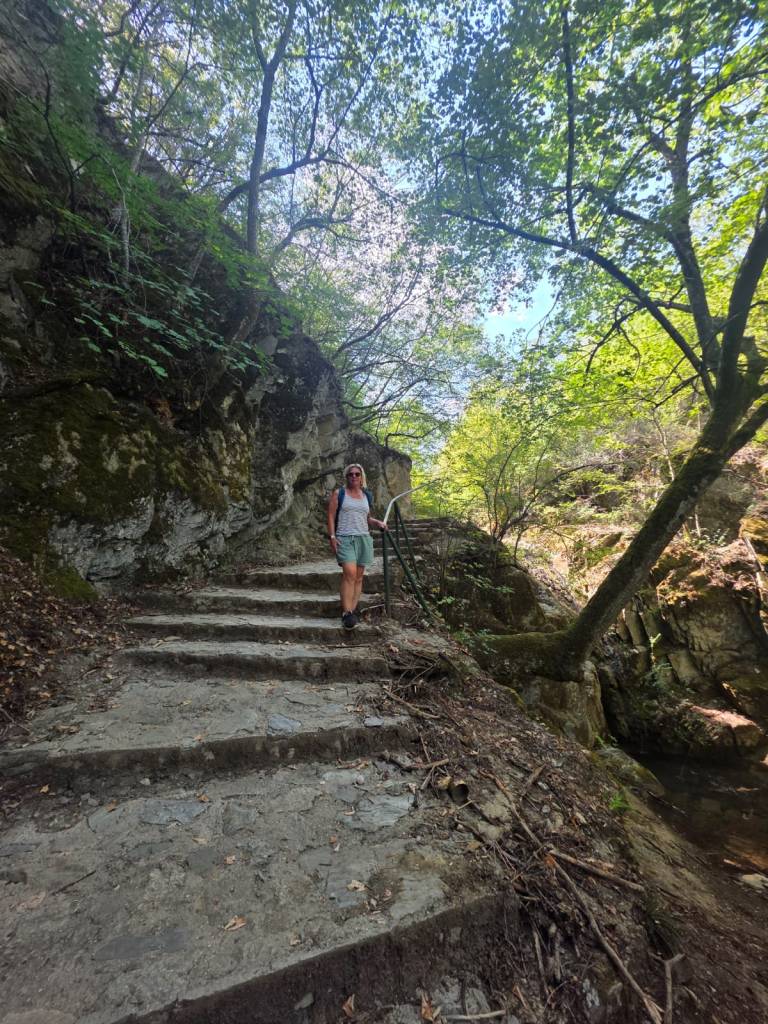
From there, the path becomes a little steeper, with several steps, but it’s not overly strenuous. We saw families with children as young as five making the climb. The whole way up is shaded and pleasantly cool. There are benches where you can rest, though the railings aren’t very secure. On the right-hand side, there’s a mountain stream — although when we visited it was mostly dried up.
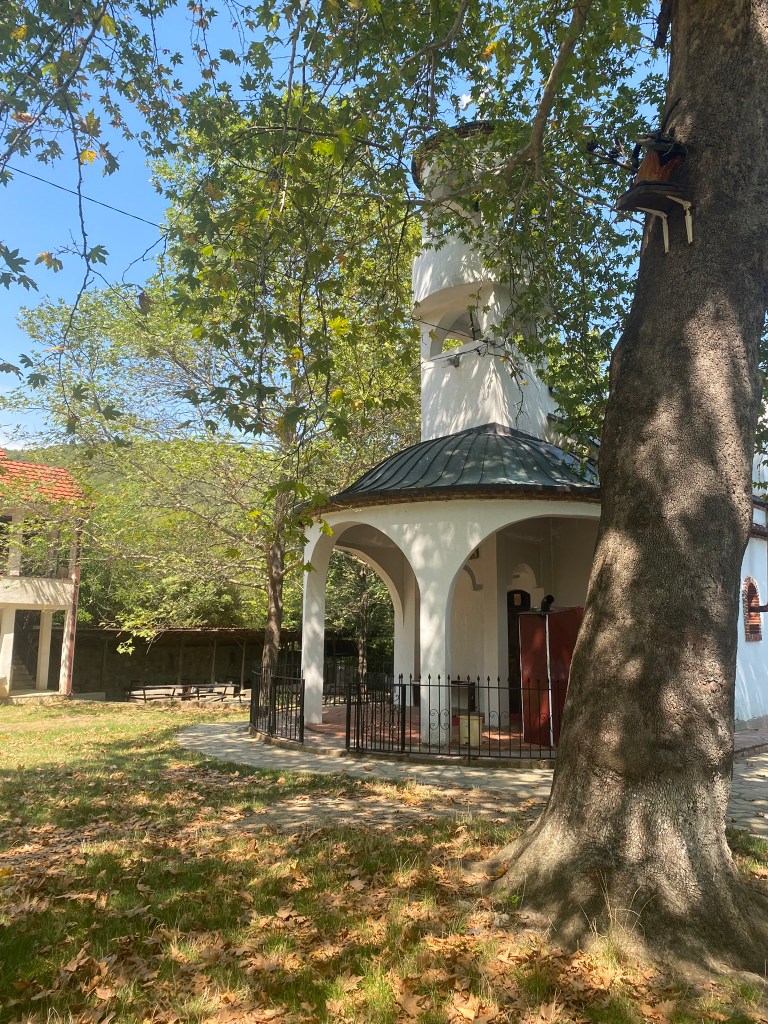
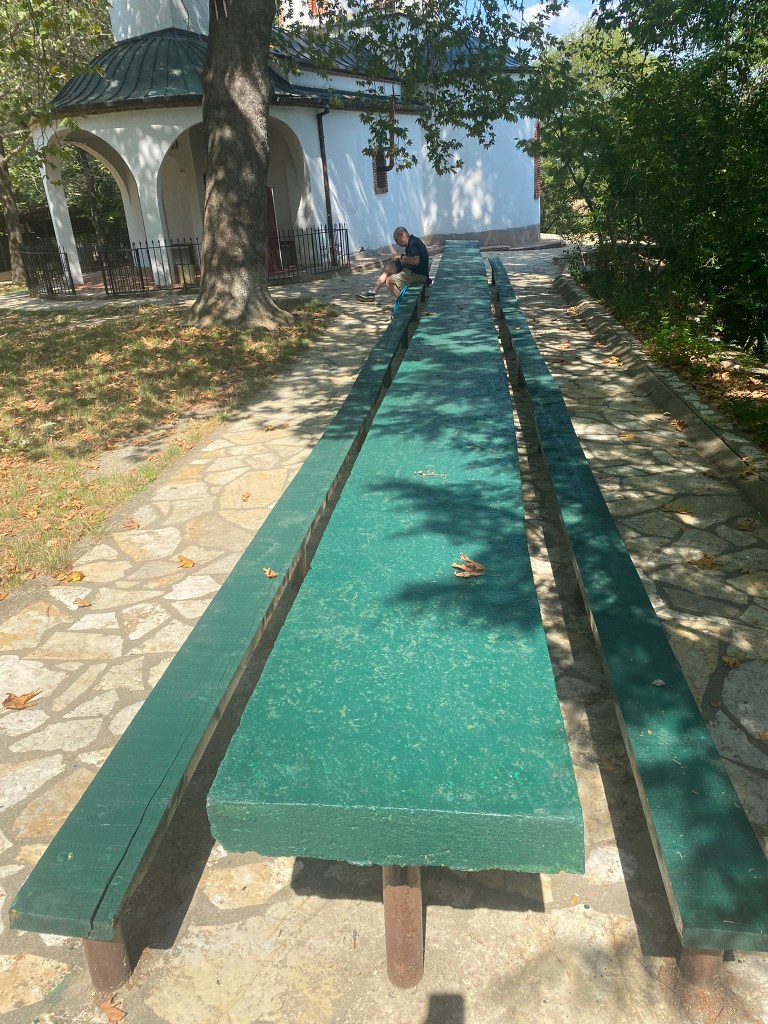
After a total of 2km, you’ll reach the monastery. It was very quiet when we were there, but others told us it is often used as a retreat. People can stay overnight, though the accommodation isn’t owned by the church. A fellow hiker showed us a spot where clean mountain water is pumped directly from the ground. We filled a bottle but didn’t drink it — braver souls might!
From the monastery, you can either continue around the mountain on a 15km loop back to the car park, or retrace your steps, as we did. Either way, it’s a hike well worth doing. If you’re tempted by the full-day hike, it’s a good idea to bring a proper map, since both GPS and mobile internet are unreliable up there.
 Wanderings in North Macedonia